

At Solar Factor we understand that embarking on the journey towards solar solutions can be both exciting and daunting. That’s why we’ve compiled this guideline of previous frequently asked questions, based on inquiries from our valued clients. Asking questions is a sign of wisdom and prudence, as not everyone is familiar with the diverse array of solar systems available. As Albert Einstein famously said, “The important thing is not to stop questioning.” We encourage you to explore and inquire, ensuring you make informed decisions that align with your energy needs and goals.
We’re passionate about providing innovative solar solutions to meet your energy needs. Solar energy is a clean and renewable source of power derived from the sun’s rays. Solar panels, installed on rooftops or in open spaces, capture sunlight and convert it into electricity through photovoltaic cells.
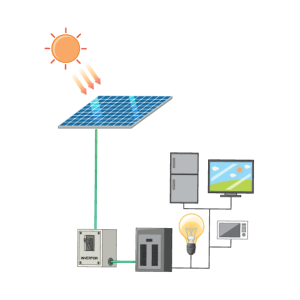
Solar panels consist of photovoltaic cells that absorb sunlight and generate direct current (DC) electricity. This electricity is then converted into alternating current (AC) electricity by inverters, making it compatible with your home or business electrical systems.
At Solar Factor, we’re committed to helping you make the switch to solar energy seamlessly. Our team of experts will assess your energy needs and customize a solar solution tailored to your requirements. From system design and installation to ongoing support, we’ll be with you every step of the way.
By generating your own electricity, you can reduce or eliminate your reliance on grid power, leading to long-term cost savings.
Solar energy is environmentally friendly, producing no greenhouse gas emissions or air pollution, thereby contributing to a healthier planet.
With solar solutions, you gain greater control over your energy supply, reducing vulnerability to utility price fluctuations and outages.
Investing in solar energy can provide a strong return on investment over time, offering financial security and stability for your home or business.
Embarking on the journey towards solar energy solutions can feel daunting, but at Solar Factor, we’re committed to guiding you every step of the way. Our comprehensive guide to understanding solar systems covers the different types available, key components, sizing considerations, installation processes, and ongoing maintenance. Whether you’re new to solar or seeking to expand your knowledge, we’re here to empower you to make informed decisions about your energy future.
Ensuring the right size and design for your solar energy system is crucial for maximizing efficiency and performance. By carefully assessing energy needs, analyzing shading, and optimizing roof orientation, you can optimize energy production and minimize potential issues. Investing time in these considerations upfront ensures a tailored solution that meets your specific requirements and delivers long-term benefits.
If the system is undersized due to inaccurate energy needs assessment, it may not generate enough electricity to meet demand, leading to reliance on grid power and reduced savings on energy bills.
Without a thorough shading analysis, solar panels may be installed in areas with significant shade, reducing sunlight exposure and overall energy production, resulting in lower efficiency and performance.
Improper roof orientation and tilt angles can diminish the amount of sunlight captured by solar panels, limiting energy production potential and decreasing the overall effectiveness of the system.
Assessing Energy Needs:
Shading Analysis:
Roof Orientation and Tilt:
Evaluate the site for solar suitability, considering factors like sun exposure, shading, and structural integrity.
Obtain necessary permits and approvals from local authorities, ensuring compliance with building codes and regulations.
Install wiring and connect components to integrate the solar system with the main electrical panel and utility grid (if applicable).
Regularly monitor system output and performance to ensure optimal energy production and identify any issues or abnormalities.
Perform scheduled inspections, cleaning, and maintenance tasks to keep the system operating efficiently and prolong its lifespan.
Address any malfunctions, errors, or performance issues promptly through diagnostic tests and corrective actions.
Evaluate upfront costs, including equipment, installation, and potential financing options, to determine the overall investment required.
Explore various financing options such as loans, leases, or power purchase agreements (PPAs) to make solar energy more accessible and affordable.
Calculate the expected return on investment over time, considering energy savings, incentives, and tax benefits, to assess the financial viability of the solar investment.